
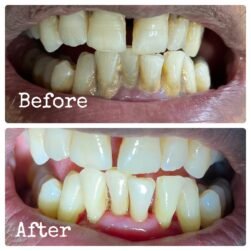
Saving Teeth, One Root at a Time
Endodontics is the branch of dentistry that focuses on treating the inside of the tooth — specifically, the pulp and the nerves housed within the root canals. When a tooth becomes deeply decayed, cracked, or infected, the pulp inside can become inflamed or die, causing severe pain, sensitivity, and swelling. Root canal treatment (RCT) is the procedure used to carefully remove the infected tissue, disinfect the canals, and seal the tooth — preserving your natural tooth rather than extracting it.
At Twin City Dental, our endodontic treatments are performed using modern rotary instrumentation, precision magnification, and updated protocols — all under local anesthesia to ensure the procedure is as comfortable as getting a routine filling. Contrary to the myths, a modern root canal is a pain-relieving procedure, not a pain-causing one.
Comprehensive Root Canal Care for Every Case
Single-Root RCT
Multi-Root RCT
Re-RCT (Root Canal Retreatment)
Post & Core
Signs You May Need a Root Canal
Many patients delay root canal treatment because they hope the pain will go away on its own — but ignoring the early signs often leads to bigger problems, including tooth loss. If you’re experiencing any of the following symptoms, it’s time to book a consultation:
- Persistent tooth pain that lingers even when you’re not eating or drinking
- Sharp sensitivity to hot or cold that continues for more than a few seconds after the stimulus is removed
- Pain while chewing or biting down on a specific tooth
- Swelling or tenderness in the gums around a particular tooth
- Darkening or discoloration of a single tooth compared to the others
- A recurring pimple-like bump on the gums near the tooth (often a drainage sinus from infection)
- Cracked or chipped teeth that expose the inner pulp
A previously filled tooth that has started hurting again
Your Root Canal, Step by Step
We believe informed patients are comfortable patients. Here’s exactly what happens when you come in for a root canal at Twin City Dental:
Consultation & Diagnosis
We begin with a thorough clinical exam and an IOPA (Intra-Oral Periapical) X-ray to assess the extent of infection and confirm whether a root canal is the right treatment.
Local Anesthesia
The area around the affected tooth is numbed completely, so you won't feel any pain during the procedure — just some gentle pressure.
Accessing & Cleaning the Canals
A small opening is made in the crown of the tooth, and the infected pulp is carefully removed. The canals are then cleaned, shaped, and disinfected using rotary endodontic files.
Sealing the Tooth
Once the canals are fully disinfected, they are filled with a biocompatible material called gutta-percha and sealed to prevent reinfection.
Final Restoration
Most root canal-treated teeth require a crown (or a post & core followed by a crown) for long-term protection. We'll guide you through the restoration options best suited to your tooth and budget.
Note: Most single-root RCTs can be completed in one visit, while multi-root cases may require two to three visits depending on the complexity.
Root Canal Care You Can Trust
Pain-Free Experience
Modern anesthesia techniques and gentle handling ensure the procedure is genuinely comfortable — most patients are surprised by how easy it actually is.
Advanced Equipment
We use rotary endodontic systems, digital X-rays, and updated disinfection protocols to maximize treatment success rates.
Tooth Preservation First
Our approach is always to save your natural tooth whenever possible. Extraction is only ever recommended as a last resort.
Transparent Pricing
No surprise costs. We walk you through the full treatment plan and pricing before starting — so you know exactly what to expect.
Root Canal FAQs
Is a root canal really painful?
How long does a root canal take?
Can I eat after a root canal?
Do I really need a crown after a root canal?
How long does a root canal-treated tooth last?
What if my old root canal is hurting again?
Ready to Book Your Appointment?
Contact us today to schedule your visit and take the first step toward a healthier smile.
Get In Touch
Your information is kept strictly confidential and used only to respond to your inquiry.